By National Parks Realty
There's a reason people who move to the Flathead Valley tend to stay. Whether it's waking up to an astounding view of Glacier National Park, spending a Saturday afternoon on Flathead Lake, or simply knowing your neighbors by name, life here has a texture that's hard to find anywhere else.
But finding the right home in this corner of Northwest Montana takes more than scrolling through listings and scheduling a few showings. The market here has its own rhythms, and the more prepared you are before you start, the smoother the whole experience will be.
The good news is that buying a home in the Flathead Valley is an exciting time. You're not just choosing a floor plan or a zip code; you're choosing how you want to spend your time and who you want to spend it with. Do you want to walk out your back door onto a trail? Pull your kayak out of the garage and be on the water in a few minutes? Settle into a neighborhood where the local coffee shop actually knows your order? Those are the kinds of questions that shape a home search here, and they're worth thinking through early.
This guide is designed to help you go into the process with clarity and confidence. From getting your finances in order to knowing what to prioritize in a Flathead Valley home, here's what you need to know before you start searching.
Key Takeaways
- Getting pre-approved before you start touring homes gives you a clear budget and makes your offers far more competitive.
- The Flathead Valley spans several distinct communities, each with its own vibe, so knowing which areas fit your lifestyle will help you narrow your search faster.
- Outdoor access and seasonal considerations are unique factors in this market that deserve serious attention during your home search.
- Working with a local team who knows the nuances of this market can make a significant difference in both the search and the transaction.
- Patience and preparation work together here; the right home is worth the process.
Get Your Finances Sorted Before You Fall in Love With a Listing
It's easy to start browsing homes casually and then suddenly find yourself emotionally invested in a property you can't yet make an offer on. Avoid that situation entirely by getting your financial picture in order first. That means pulling your credit report, understanding your debt-to-income ratio, and sitting down with a lender to get pre-approved, not just pre-qualified.
Pre-approval is a stronger position to be in because it involves a deeper look at your finances and results in a letter that tells sellers you're a serious, qualified buyer. In a real estate market like the Flathead Valley, where desirable properties can draw multiple interested buyers at once, walking in pre-approved signals that you're ready to move. It also gives you a realistic budget to work within, which makes every showing more focused and less stressful.
It's also worth thinking through the full cost of homeownership beyond the purchase price. Montana has relatively low property taxes compared to many states, but you'll want to factor in homeowner's insurance, utilities, and any HOA fees, if applicable. Homes with acreage, well water, or septic systems come with their own maintenance considerations. Going in with your eyes open on all of these costs sets you up for a much smoother ownership experience.
Financial Prep Checklist
- Review your credit report at least 60 to 90 days before you plan to start making offers, so there's time to address any issues.
- Get pre-approved through a lender familiar with Montana's real estate market, not just a national online platform.
- Calculate a comfortable monthly payment based on your full financial picture, not just the maximum the bank will lend you.
- Set aside funds for closing costs.
Prioritize What Outdoor Access Looks Like
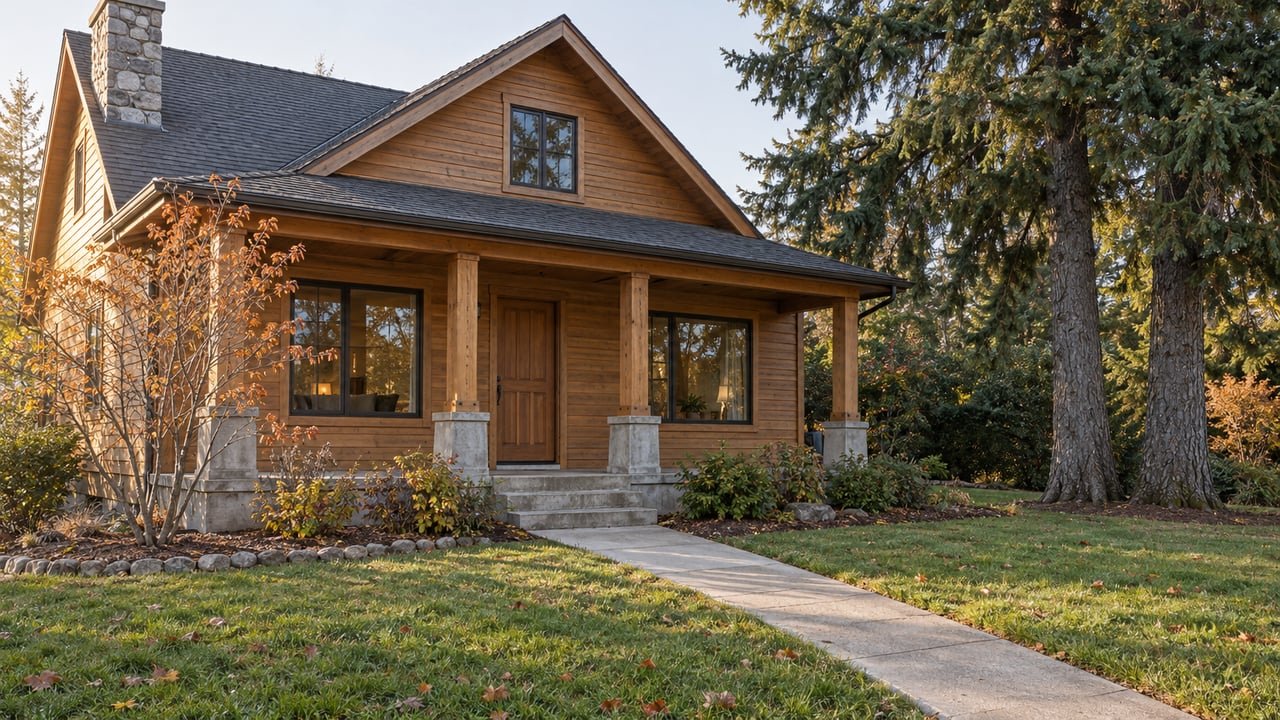
In homes in the Flathead Valley, outdoor access isn't an amenity; it's a way of life. When you're evaluating homes here, it's worth thinking carefully about how a given property fits into the outdoor lifestyle you're envisioning. Does the backyard back up to land? Is there a bike path nearby? Is the driveway manageable in winter? These aren't small details; they shape how much you'll actually enjoy living there day-to-day.
Seasonal considerations are especially important. Montana’s winters are real, and homes in this region should be evaluated through that lens. How is the heating system? What's the driveway like after a heavy snowfall? Are there outbuildings for storing recreational gear, snowblowers, or equipment? A home that's perfect in July might require some adjustments in January, and it's smart to think that through in advance.
On the flip side, summer here is extraordinary, and many buyers want a property that makes it easy to take full advantage of that. Whether that means a garage spacious enough for kayaks and paddleboards, a yard with room for a fire pit, or a deck that gets evening sun, these are lifestyle-specific features worth putting on your list.
Outdoor Living Features Worth Evaluating
- Access to trails, lakes, or lands either directly from the property or within a short distance.
- Garage or storage space sized to accommodate the recreational gear your lifestyle requires.
- Deck, porch, or outdoor living space orientation, since south and west-facing exposure tends to maximize usable outdoor time.
- Driveway surface and grade, which becomes an important practical factor once the snow season arrives.
- Fencing or space for pets, gardens, or hobby use.
Look Beyond the Listing Photos
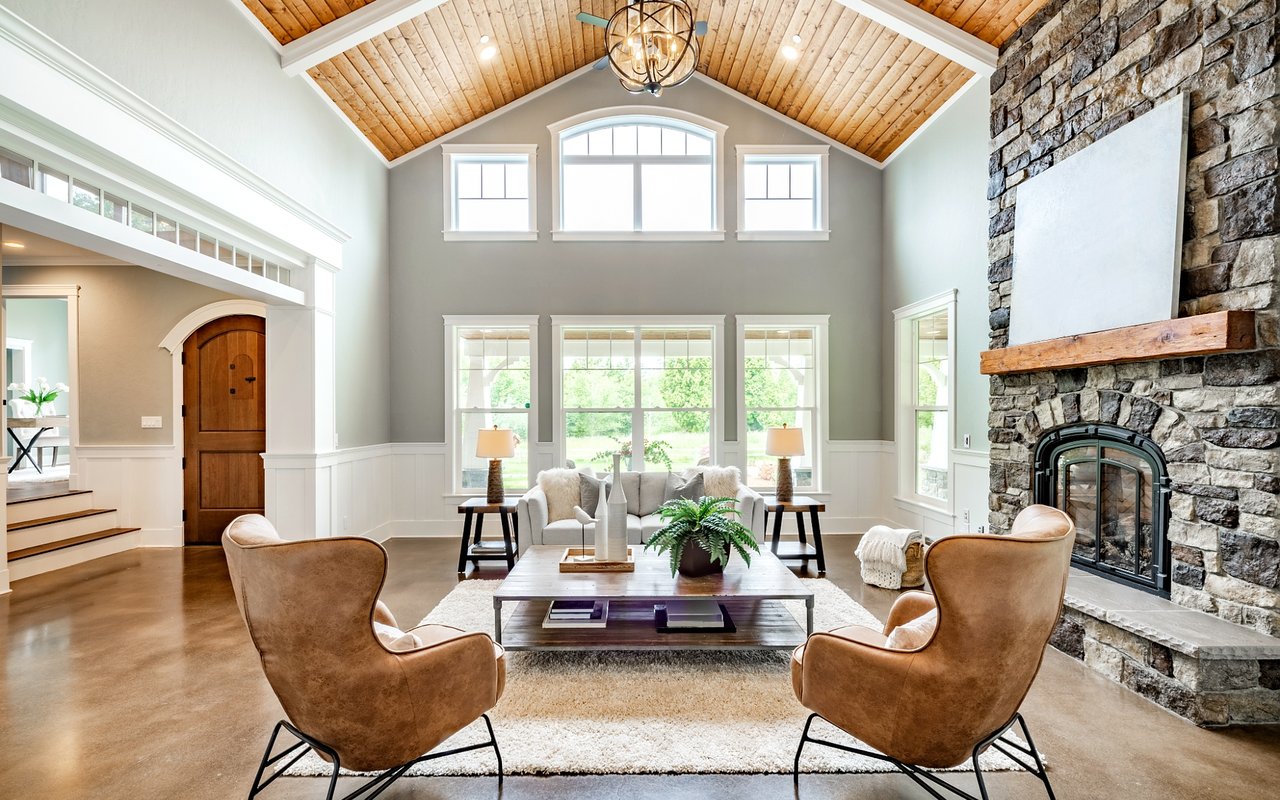
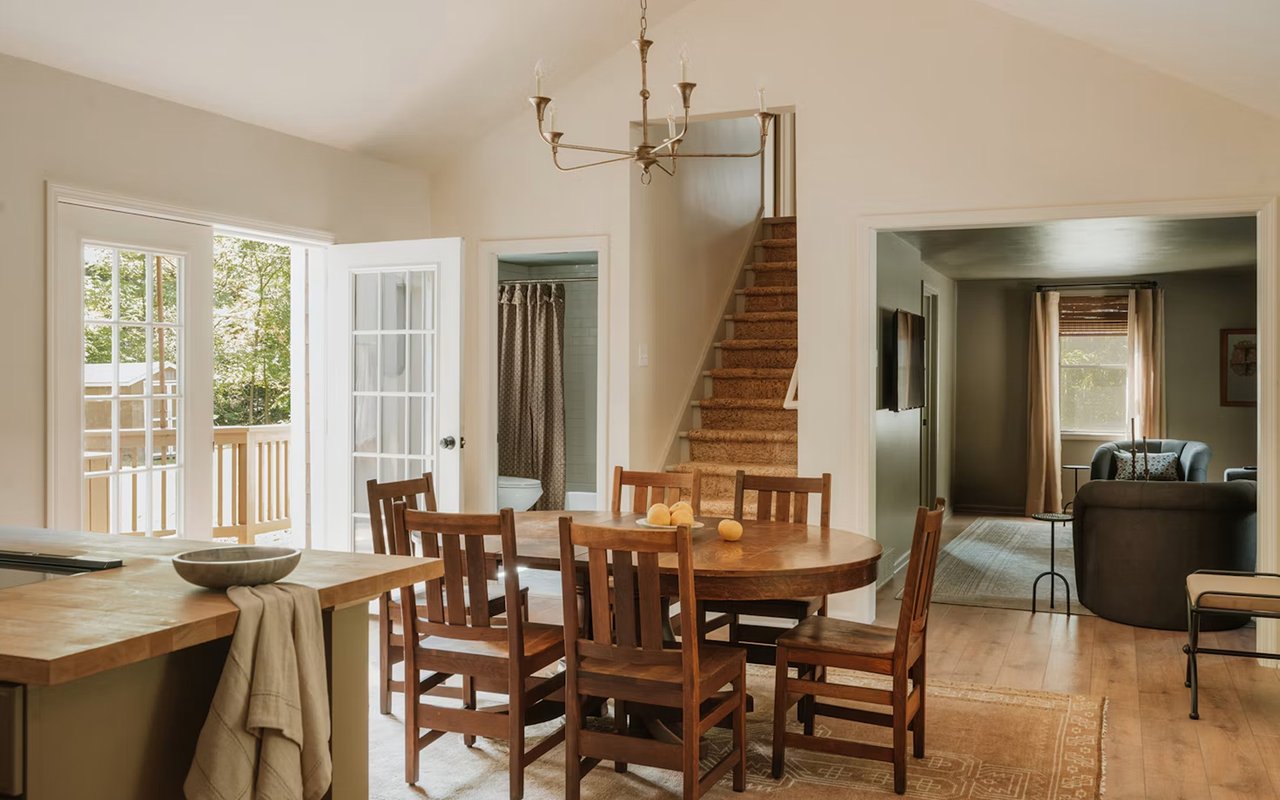
Listing photos are curated to show a home at its absolute best, and while they're a useful starting point, they're only part of the story. When you walk through a property in person, you're gathering information that no camera angle can fully capture: how natural light moves through the rooms at different times of day, whether the layout actually flows the way it appears, and how the home feels at street level versus in a staged photo taken from a flattering corner.
Pay attention to the details that are easy to overlook when you're caught up in a home's best features. Are the ceilings lower than you expected? Does the kitchen feel cramped once you're standing in it? These are the kinds of observations that only come from being present in the space, and they matter as much as square footage and countertop finishes.
It also helps to visit a home more than once if you're seriously considering it. A second visit at a different time of day often reveals factors you missed on the first walkthrough. In the Flathead Valley, that might mean going back to see how the afternoon sun hits the deck or checking whether the views you loved at noon hold up when you're arriving after a long workday.
What To Evaluate During a Showing
- Natural light in the living spaces and bedrooms and which direction the primary windows face.
- Storage throughout the home, including closets, pantry space, and garage capacity for gear and equipment.
- The condition of windows and doors, since older or poorly sealed units can affect both comfort and energy efficiency in Montana’s winters.
- Traffic flow between rooms.
Think About Year-Round Livability
A home that works beautifully in August needs to work just as well in February, and in the Flathead Valley, that's an important evaluation point. Roof pitch matters here because it affects snow load and shedding. Heating systems should be assessed for both efficiency and reliability. Driveways with steep grades or north-facing exposure can become challenging after a heavy snowfall, and that's worth factoring in before you commit.
Insulation quality is another practical consideration. Older homes can have gaps in insulation, especially in attics and crawl spaces, which shows up in utility bills once the temperatures drop. During a showing or inspection, it's worth asking about recent upgrades to insulation, weatherstripping, and windows, since these improvements directly affect day-to-day comfort and cost.
On the warmer end of the calendar, think about how the home handles summer heat. The Flathead Valley has warm, sunny summers, and homes with cross-ventilation, covered outdoor spaces, and mature tree cover can make a meaningful difference in how comfortable the warm months feel without leaning heavily on air conditioning.
Year-Round Livability Checklist
- Roof age, condition, and pitch, with an eye toward performance under snow loads.
- Heating system type, age, and service history and whether there's a secondary heat source like a wood stove or propane backup.
- Driveway grade and surface material and whether it presents any challenges for winter access.
- Insulation quality in the attic, walls, and crawl space and the age of windows throughout the home.
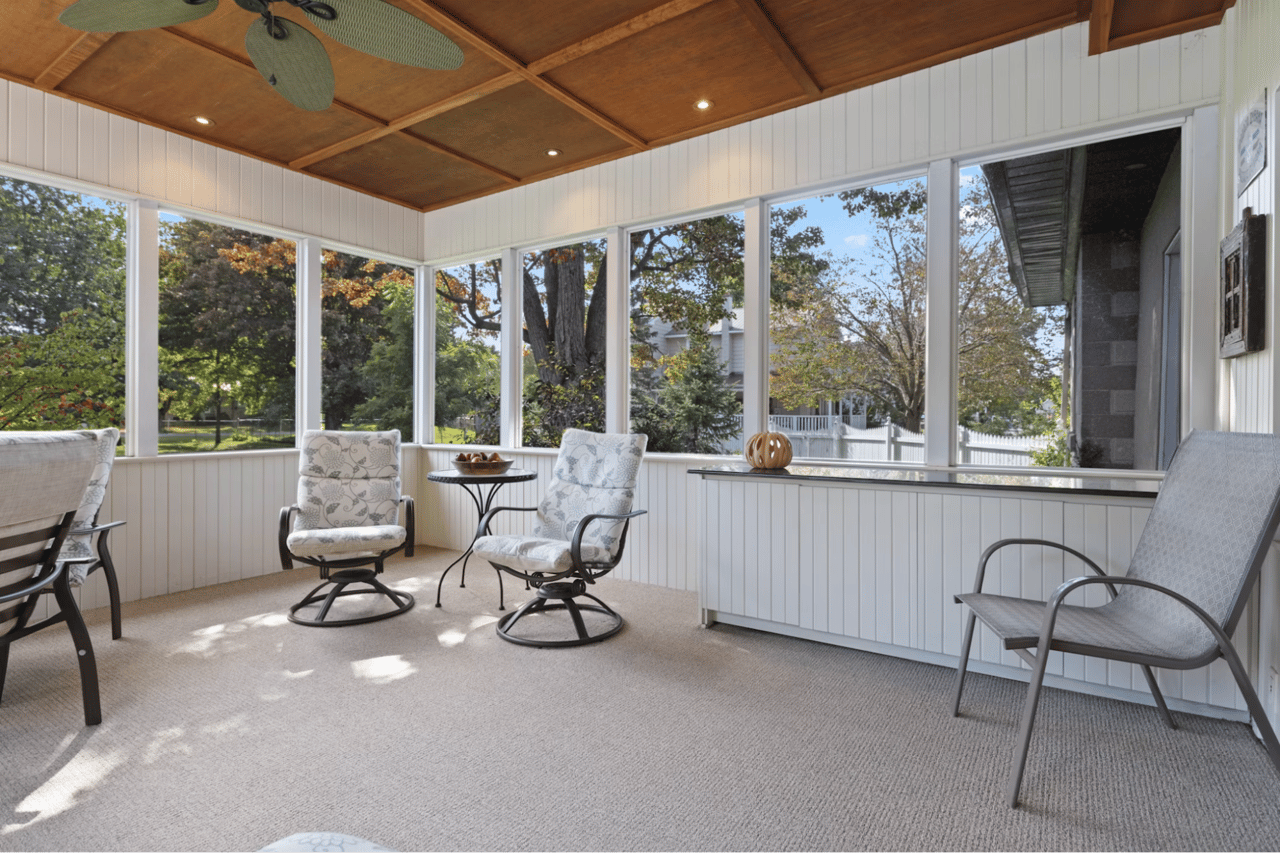
- Covered or sheltered outdoor space that extends usability into shoulder seasons.
FAQs
What Is the Best Time of Year To Buy a Home in the Flathead Valley?
Spring and early summer tend to bring the most inventory, making it a popular time to search. That said, competition also picks up during those months. Fall can be a great window for buyers because there's less competition, and sellers who haven't moved their properties by then are often more motivated. Winter inventory is lower, but buyers who search during that window sometimes find better negotiating opportunities.
Are There Specific Home Inspection Considerations Unique to Montana Properties?
Yes. In addition to standard inspections, Montana’s homes, especially those on well water or septic systems, require those components to be evaluated separately. If you're looking at properties with wood-burning fireplaces or stoves, chimney inspections are worth adding. Roofs should be assessed with winter in mind, and any older construction should be checked for radon, which is present in elevated concentrations in parts of the state.
What Should I Know About Rural Properties and Acreage Listings?
Rural properties here can come with additional considerations, including water rights, easements, access roads, and agricultural zoning. These aren't necessarily obstacles, but they require careful review during due diligence.
Your Next Chapter in the Flathead Valley Starts Here
When you know what to focus on financially, think through the outdoor lifestyle you want to build, and have the right team in your corner, the whole buying experience becomes a lot more rewarding.
Our team at National Parks Realty knows this valley, and we genuinely love helping people find their place in it. When you're ready to start your home search, we're here to guide you every step of the way. Reach out to connect with us, and let's find your perfect Flathead Valley home together.
Our team at National Parks Realty knows this valley, and we genuinely love helping people find their place in it. When you're ready to start your home search, we're here to guide you every step of the way. Reach out to connect with us, and let's find your perfect Flathead Valley home together.