By National Parks Realty
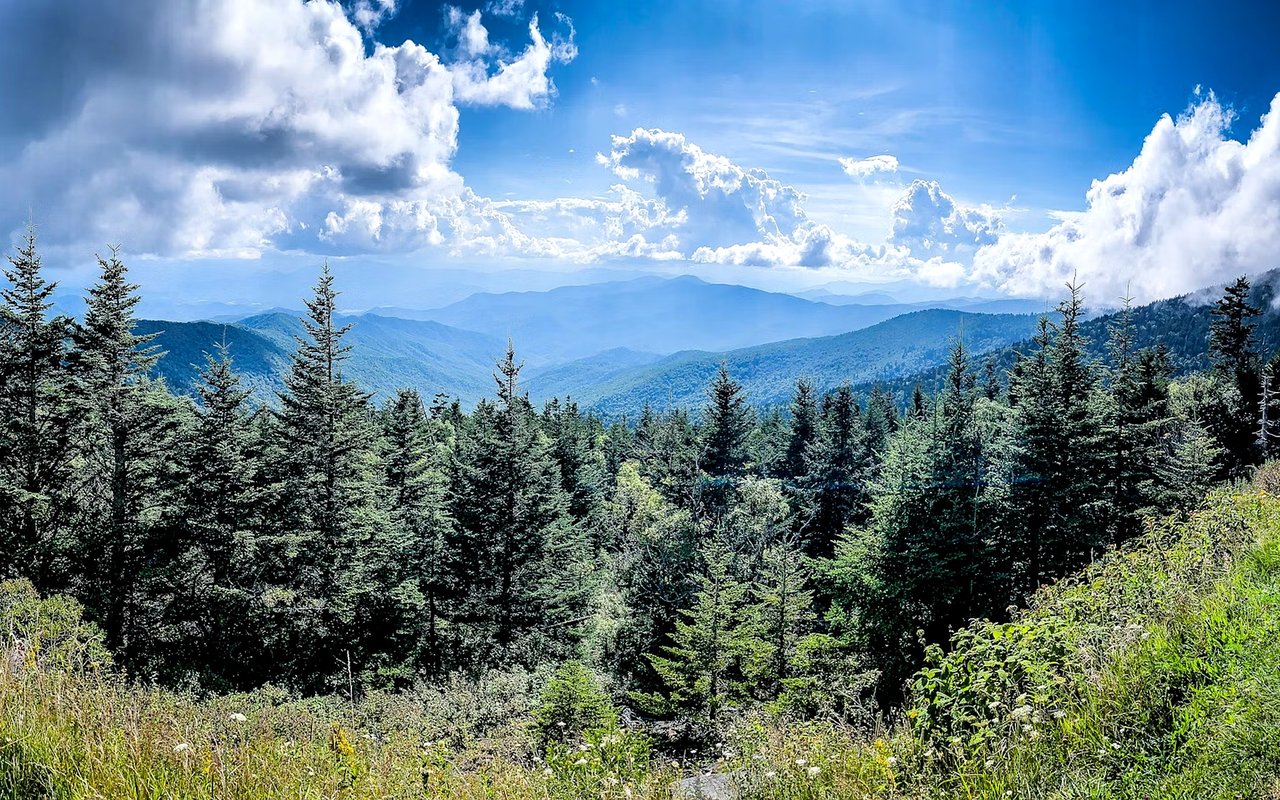
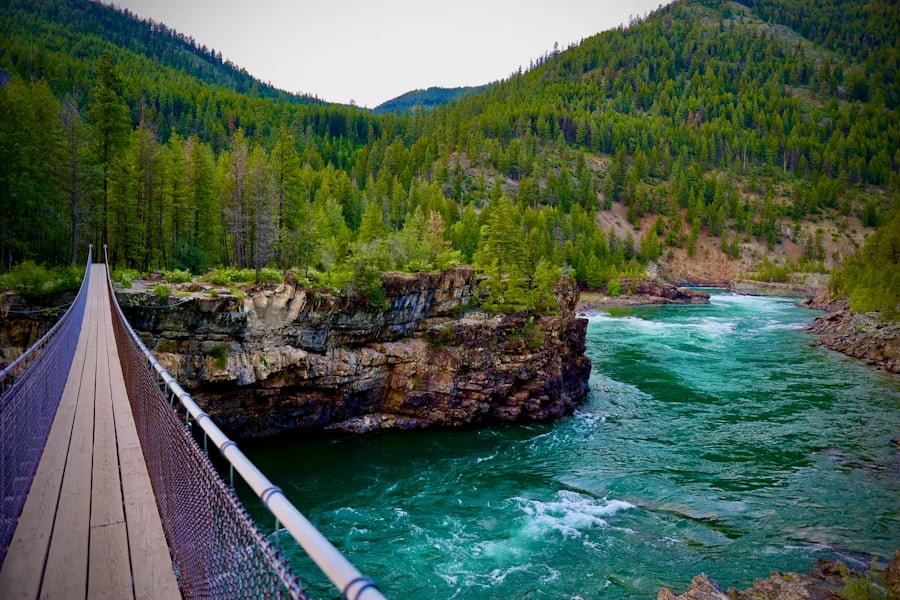
There is something about the Flathead Valley that makes you want to simplify your life and enjoy your surroundings. Maybe it is the way Glacier National Park fills your windshield on a clear morning or the way Flathead Lake mirrors the sky so perfectly that the horizon disappears. When the landscapes around you are this dramatic, the last thing your home needs is competition.
Montana minimalism is not about stripping a space down to cold, uncomfortable austerity; it is about designing a home that steps back and lets the landscape take the spotlight.
In recent years, the Flathead Valley has seen a notable rise in homeowners and buyers gravitating toward clean-lined architecture, natural material palettes, and open floor plans that prioritize views over square footage. Whether you are drawn to Whitefish, Kalispell, Bigfork, or the quieter stretches between them, the principles of Montana minimalism feel as natural here as a stand of lodgepole pines along a ridgeline.
This design philosophy has roots in how people have always lived here, close to the land and unbothered by excess. If you are thinking about buying or renovating in the Flathead Valley, understanding what Montana minimalism looks like in practice can help you make decisions and end up with a home that feels genuinely right for this wondrous setting.
Key Takeaways
- Montana minimalism is defined by natural materials, uncluttered spaces, and an intentional relationship between interior design and the surrounding landscape.
- The Flathead Valley's terrain and light conditions make it one of the most compelling backdrops for minimalist architecture in the American West.
- Thoughtful design choices, including window placement, material selection, and spatial flow, can dramatically increase both livability and long-term property value.
- Buyers in the Flathead Valley are increasingly seeking homes that prioritize views, connection to the outdoors, and low-maintenance living.
What Montana Minimalism Looks Like
The phrase "minimalism" is used loosely in design circles, but in the context of the Flathead Valley, it has a specific character. This is not the stark white-box minimalism of a downtown loft. It is warmer, more grounded, and deeply connected to place. You will see wide overhangs that manage snow load and shade summer windows. You will find rooms oriented around a single, commanding view rather than divided into competing focal points. The palette pulls from what is already outside: the grey of river rock, the warmth of Douglas fir, and the muted olive of sage and lichen.
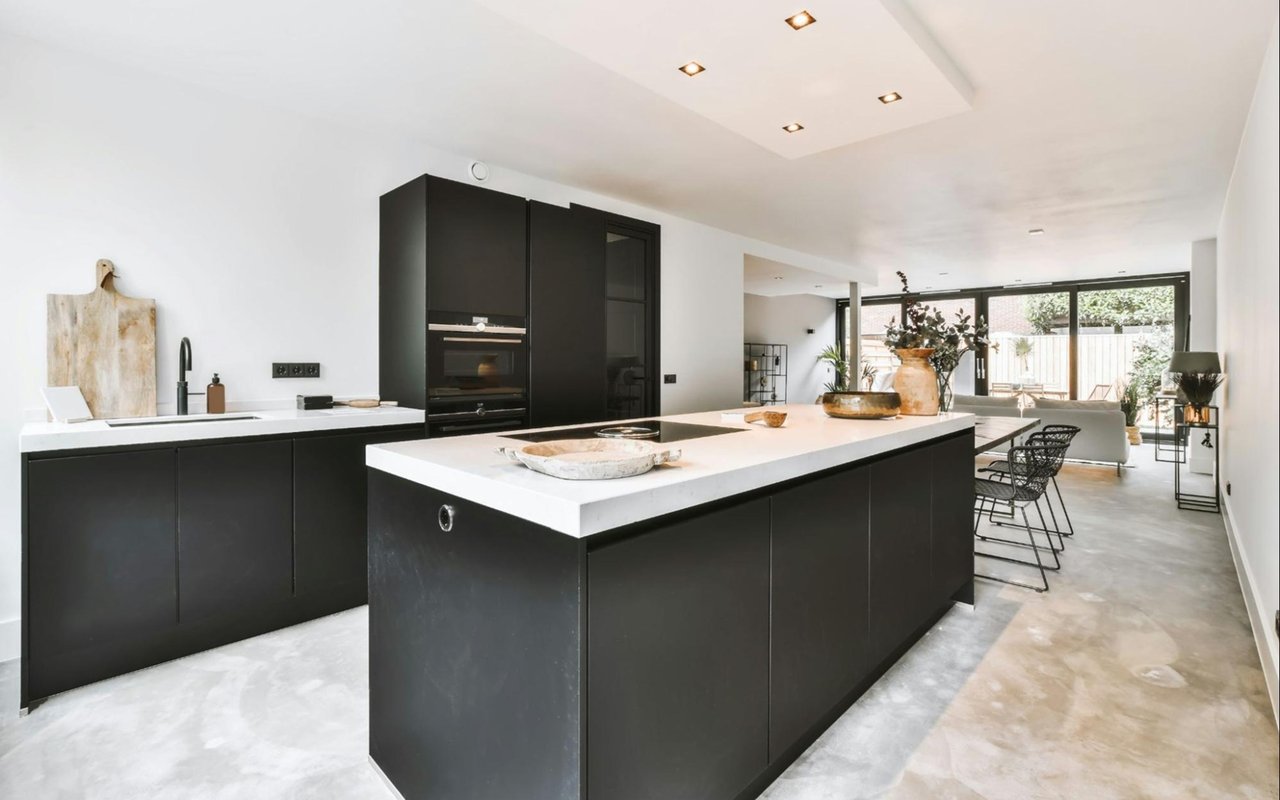
Interiors in this style tend to favor open living spaces that flow without interruption from the kitchen to the dining space to the living area. Furniture is chosen for quality and proportion rather than abundance. Shelving is sparse by design. There is a reverence for negative space that takes confidence to maintain, especially when you have a lot of square footage to work with. But that restraint is precisely what gives these homes their sense of calm.
Interiors in this style tend to favor open living spaces that flow without interruption from the kitchen to the dining space to the living area. Furniture is chosen for quality and proportion rather than abundance. Shelving is sparse by design. There is a reverence for negative space that takes confidence to maintain, especially when you have a lot of square footage to work with. But that restraint is precisely what gives these homes their sense of calm.
Defining Characteristics of the Style
- Natural wood elements, particularly exposed beams or wide-plank flooring, ground the space without overwhelming it.
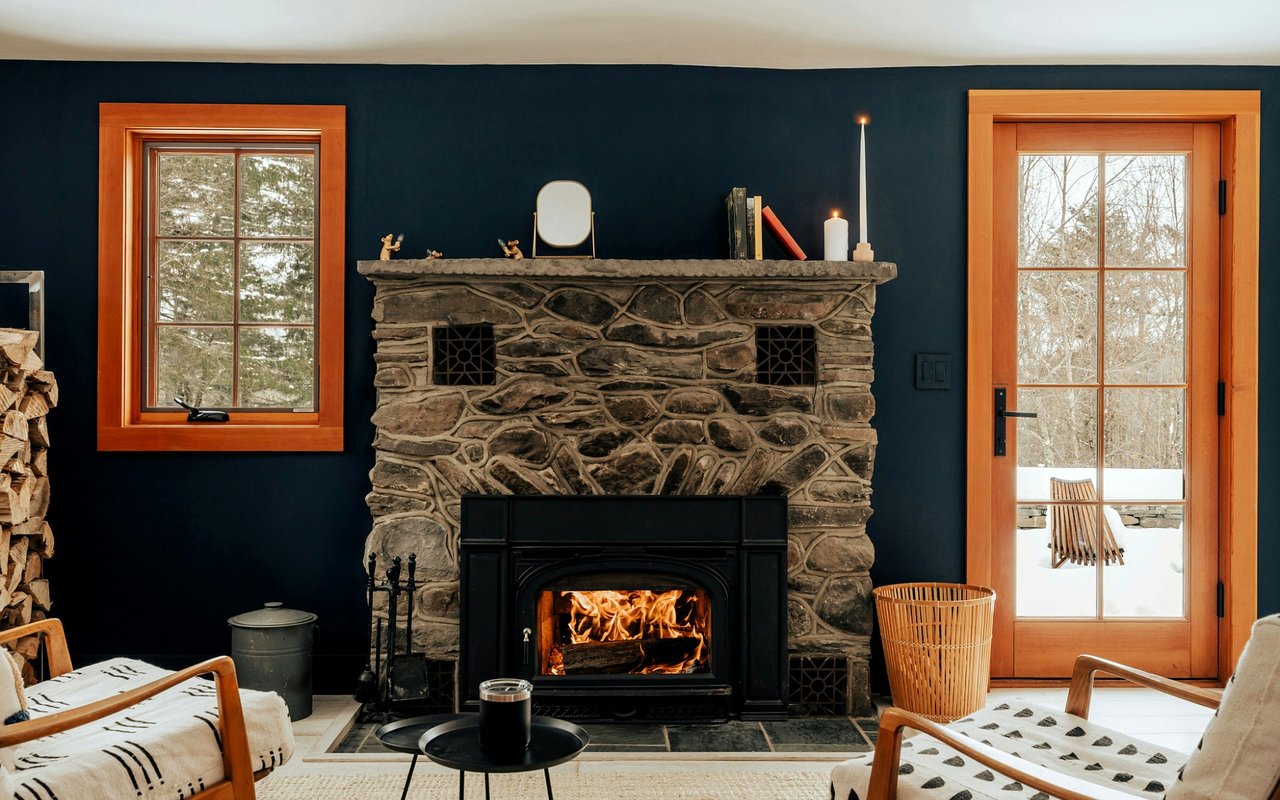
- Stone and steel accents are used sparingly but with intention, often as a fireplace surround or structural detail rather than a decorative afterthought.
- Neutral, earth-toned color palettes allow the changing light of the valley to animate the space across seasons.
- Large, low-profile windows are oriented to maximize views while minimizing visual clutter on the wall plane.
- Built-in storage reduces the need for freestanding furniture, keeping rooms open and easy to move through.
The Role of Light and Landscape in Flathead Valley Design
The Flathead Valley sits at a latitude where the quality of light changes dramatically across the year. In summer, the sun stays high and long; in winter, it angles low and golden through the trees. Minimalist design in this region has to account for that range, and the most compelling homes here are built around it. You will notice that thoughtful architects position key rooms to catch the morning light in living spaces and the evening light in outdoor entertaining areas, tracking the sun the way a garden does.
Expansive glass surfaces are a signature element of Montana minimalism, but they require careful handling. Triple-pane windows and thermally broken frames are standard in quality Flathead Valley construction, allowing you to maintain views without sacrificing energy efficiency through long mountain winters. The visual payoff is significant.
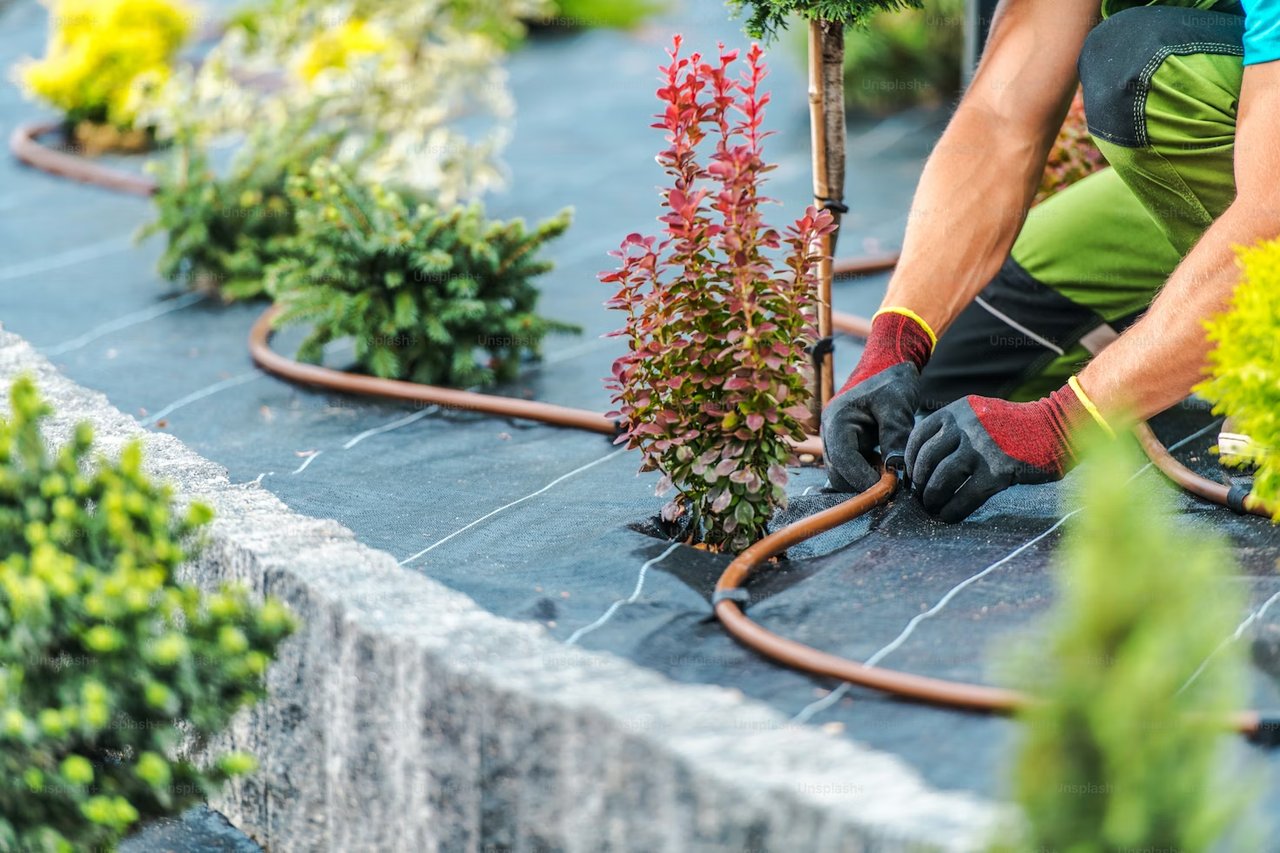
Outdoor living spaces are treated as genuine extensions of the home in this design philosophy. Covered decks, fire pits, and low-maintenance native plantings create a sense of continuity between inside and outside that feels seamless rather than staged.
Expansive glass surfaces are a signature element of Montana minimalism, but they require careful handling. Triple-pane windows and thermally broken frames are standard in quality Flathead Valley construction, allowing you to maintain views without sacrificing energy efficiency through long mountain winters. The visual payoff is significant.
Outdoor living spaces are treated as genuine extensions of the home in this design philosophy. Covered decks, fire pits, and low-maintenance native plantings create a sense of continuity between inside and outside that feels seamless rather than staged.
How to Evaluate a Home's Relationship to Its Site
- Note whether the main living areas face the best views or whether those views are reserved for secondary spaces like hallways or utility rooms.
- Assess window quality; look for thermal performance ratings that match climate demands.
- Look at how the landscaping transitions from the home to the surrounding terrain; abrupt or over-manicured edges often signal a disconnect from the natural context.
- Evaluate the outdoor living areas for year-round usability, not just warm-weather appeal.
Material Choices That Define the Aesthetic
In a design language this restrained, every surface matters. The most beautiful Flathead Valley homes in this style are built with materials that age gracefully, require minimal maintenance, and develop character over time rather than deteriorating.
Reclaimed wood is a popular choice for accent walls, ceiling details, and structural elements. It brings warmth and history into a space without adding visual noise. Concrete, either polished or in its raw form, works well on floors and countertops in this palette because it reflects light without competing with the views.
What you tend not to see in well-executed Montana minimalism: ornate millwork, high-contrast color combinations, or decorative fixtures that call attention to themselves. The goal is for no single element to dominate. Everything recedes slightly so that the whole space, and ultimately the landscape beyond it, takes precedence.
Reclaimed wood is a popular choice for accent walls, ceiling details, and structural elements. It brings warmth and history into a space without adding visual noise. Concrete, either polished or in its raw form, works well on floors and countertops in this palette because it reflects light without competing with the views.
What you tend not to see in well-executed Montana minimalism: ornate millwork, high-contrast color combinations, or decorative fixtures that call attention to themselves. The goal is for no single element to dominate. Everything recedes slightly so that the whole space, and ultimately the landscape beyond it, takes precedence.
Materials That Work Best in This Design Context
- Locally sourced stone, particularly Montana moss rock or river stone, integrates naturally with the surrounding geology.
- Weathered steel and corten accents are low-maintenance and develop a patina that harmonizes with the autumn landscape.
- White oak and Douglas fir flooring age well in mountain climates and carry a warmth that counteracts the cool tones of stone and steel.
- Fiber cement and zinc cladding on exteriors offer longevity and a muted, natural appearance that suits the valley's palette.
- Linen, wool, and leather textiles in interiors add tactile richness without introducing color or pattern that competes with the views.
FAQs
Is Minimalist Design Practical in a Mountain Climate?
Yes, when it is executed well. The key is ensuring that simplicity does not come at the expense of performance. Quality insulation, high-grade windows, efficient mechanical systems, and materials that handle freeze-thaw cycles are all compatible with a minimalist aesthetic. In fact, the functional needs of mountain living often align naturally with minimalism.
Can an Existing Home Be Renovated Into a Minimalist Aesthetic?
Absolutely. Many successful minimalist renovations start with opening up compartmentalized floor plans, replacing small or low-quality windows with higher-performance models, simplifying interior finishes, and editing out decorative elements that create visual clutter. The structural foundation matters most, and the aesthetic can be developed over time.
Bring Your Vision Home to the Flathead Valley
Montana minimalism is ultimately about alignment between how you live and the landscape outside your windows. The Flathead Valley is one of the rare places where that alignment is genuinely achievable — where the terrain is compelling enough to anchor a design philosophy.
If you are drawn to this way of living, the right property is out there. Reach out to our team at National Parks Realty to start the conversation. We know the Flathead Valley real estate market inside and out, and we’re ready to help you find the space of your dreams.
If you are drawn to this way of living, the right property is out there. Reach out to our team at National Parks Realty to start the conversation. We know the Flathead Valley real estate market inside and out, and we’re ready to help you find the space of your dreams.